
A longer view
A brief history of Brussels
Brussels grew between stronger neighbours, was fought over more than once, and later became the capital of Belgium and a seat of European institutions.
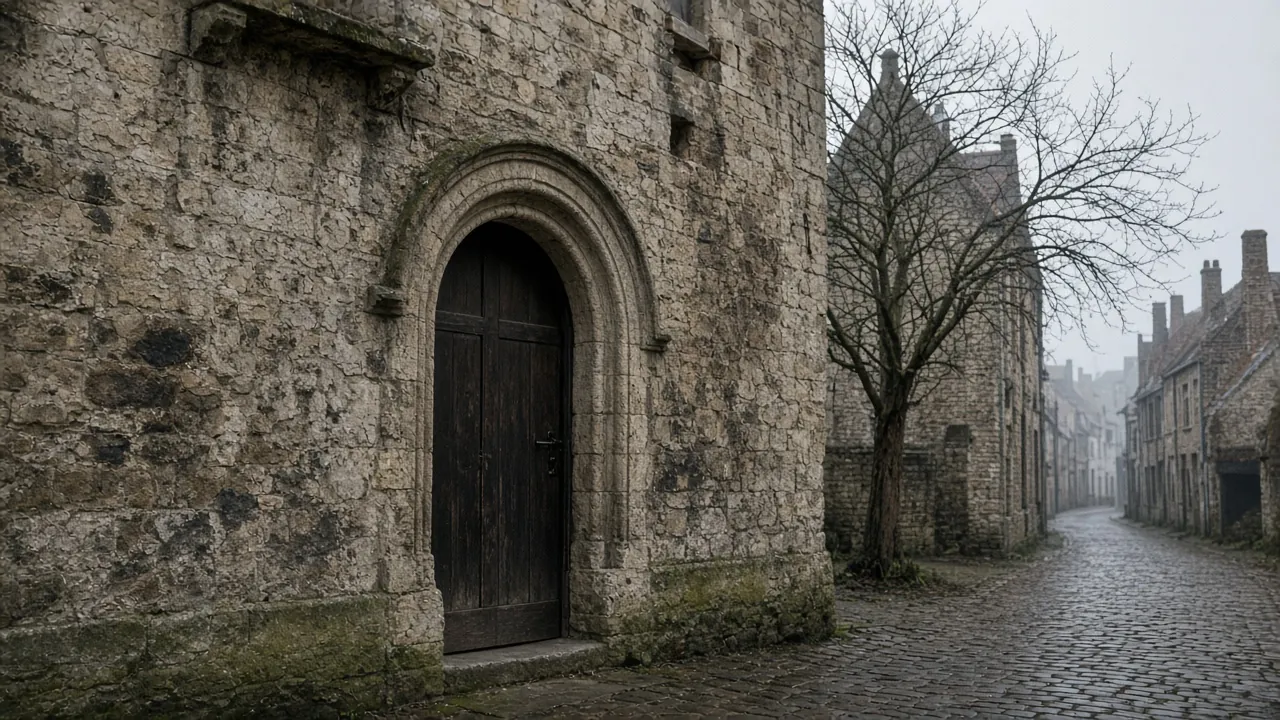
People were already living on the site of Brussels before the tenth century, but the town began to grow in earnest once it was fortified. In the thirteenth century it received a charter. Craftsmen and their guilds later pushed back against aristocratic interference, and after a period of unrest the guilds became a real force in the city's life. For around two centuries Brussels enjoyed relatively steady commercial prosperity, and its craftsmen were counted among the finest in Europe.
Trade, religion and war
That dominance faded as nearby Antwerp rose as a port and trading city, and as the Low Countries were pulled into the religious conflicts of the sixteenth century. The iconoclastic attacks of the mid-1560s damaged churches and religious art in many towns, Brussels included. Philip II of Spain — a king, not a pope — presided over a harsh response in the years that followed. Even after that crisis had passed, wars between European powers often placed Brussels, sitting where it does, in the path of armies. The fighting of the Napoleonic period, which ended at Waterloo in 1815, left large parts of the older town altered or gone.
Capital of Belgium
After those wars the Netherlands and what is now Belgium were joined in a single kingdom. The arrangement did not last. A Belgian revolt in 1830 led to independence, and in 1831 Brussels became the capital of the new state, with Leopold I as its first king.
The twentieth century added another role. Brussels hosts major institutions of the European Union and is often described as the Union's de facto capital. The medieval street plan of the Lower Town and the later boulevards of the Upper Town still sit side by side; you can walk from one into the other in a few minutes. For a first look at the streets themselves, return to the introduction to Brussels.